
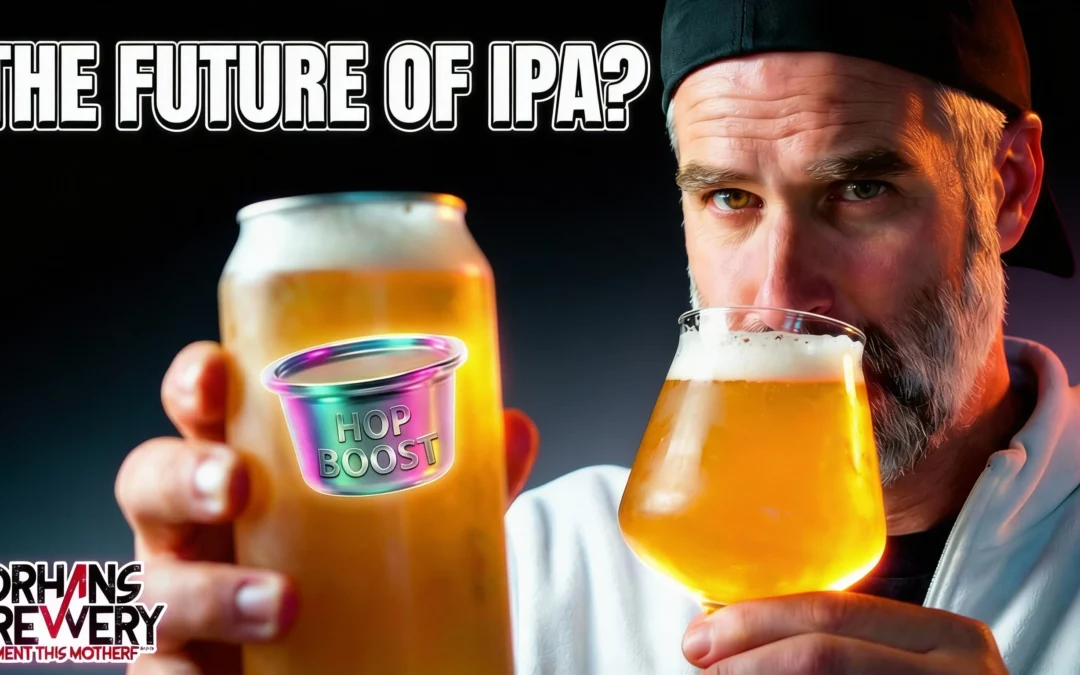
Are Hop Pods the Future of IPA… or Just Another Brewing Gimmick?
Are Hop Pods the Future of IPA… or Just Another Brewing Gimmick?
If there’s one thing the modern IPA world is obsessed with, it’s more of everything: more aroma, more hops, more freshness, more punch right out of the can. Cryo hops, hop oils, hop extracts, double dry hopping, triple dry hopping… at this point, we’re one step away from someone whispering hop terpenes into the fermenter under a full moon.
So when I cracked open an IPA with an actual pod inside the can, I had questions.
Big ones.
This little widget—called BevBoost—claims to deliver next-level hop character at the exact moment you open the can. Not at the brewery. Not during dry hopping. At home. In your can. Right before the pour into your favorite glass.
Is this genius… or is it shenanigans?
🎥 Watch the Full Video
Want to see the pour, the aroma hit, and the tasting as it actually happened?
I break it all down in the full video.
What Is a Hop Pod (and Why Does It Exist)?
The idea behind a hop pod is surprisingly simple.
Instead of relying solely on late hopping or dry hopping at the brewery—both of which are highly sensitive to oxygen, time, and transport—the brewer places a sealed pod containing hop extract inside the can before it’s sealed.
In the case of BevBoost, that pod contains extracts from hops like Citra, Galaxy, and Strata. When the can is opened, the rapid pressure drop causes the pod’s membrane to rupture, releasing the hop extract directly into the beer.
In theory, this gives you:
-
Maximum hop aroma at the moment of pouring
-
Better shelf life
-
Less aroma loss during shipping
On paper, it sounds like brewing science doing what brewing science does best: solving real problems.
But beer doesn’t live on paper. It lives in my stomach.
The Promise: Freshness on Demand
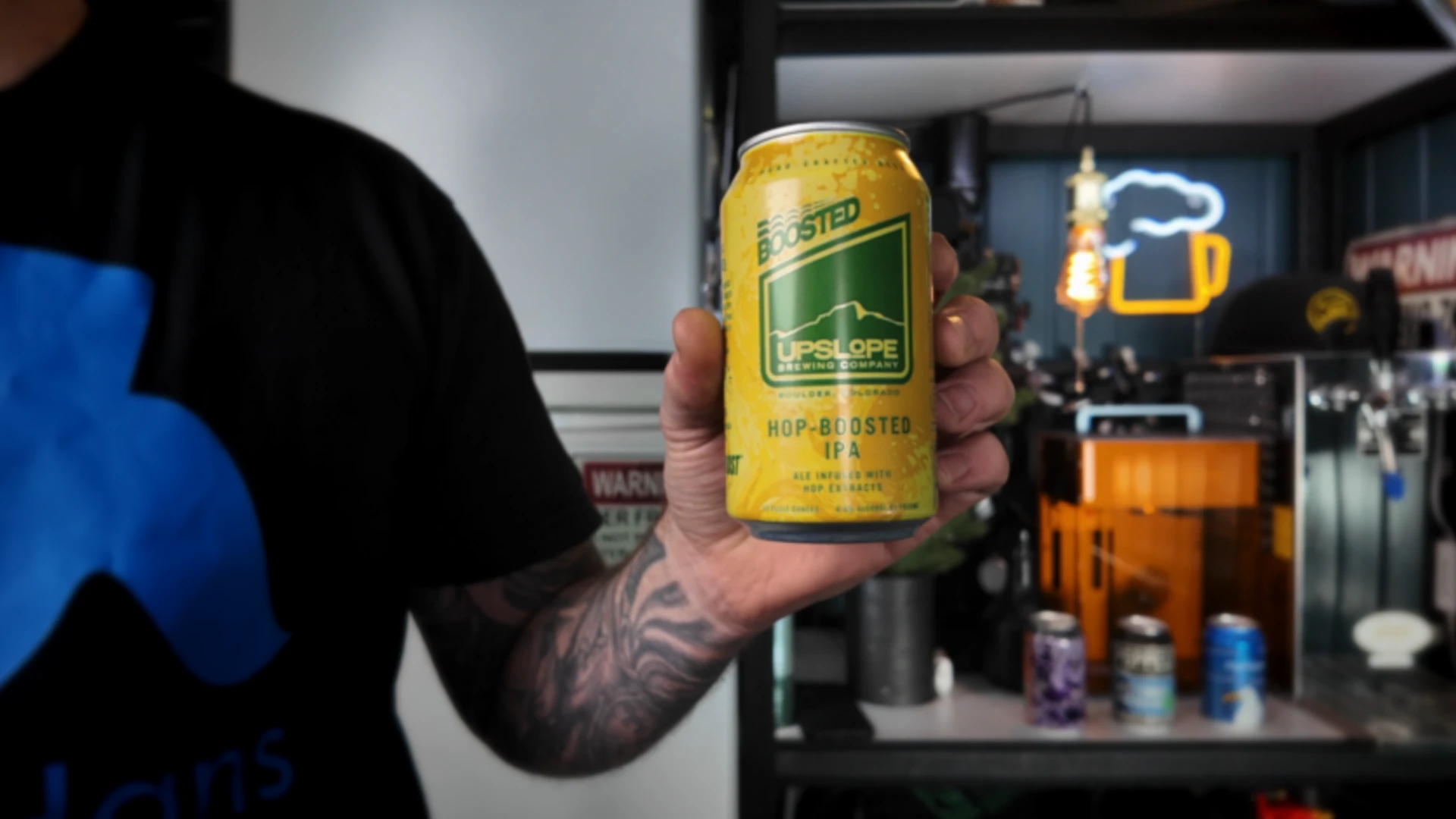
According to Upslope Brewing’s own explanation of the technology, the goal is simple: hop-forward beers that stay vibrant longer.
On their website, they describe BevBoost like this:
“We’ve spent years thinking about how to make hop-forward beers even better in a can,” said Cutter. “BevBoost delivers on that vision in a way that’s never been possible, bringing next-level hop character to life right when you crack it. This isn’t just a new IPA, it’s a new kind of drinking experience, and we’re proud to be the first to offer it.”
(You can read their full description of the idea here:
https://upslopebrewing.com/freshness-unleashed-meet-hop-boosted-ipa/)
And that’s not a small issue. Hop aroma is fragile. Oxygen, heat, time, and long journeys across oceans are brutal on IPA freshness. Anyone who’s brewed—or drunk—enough IPA knows the heartbreak of a beer that should be aromatic but just… isn’t anymore.
So the logic checks out:
-
Keep the hops protected
-
Release them at the last possible moment
-
Get more aroma in the glass
The question isn’t whether this is clever.
The question is whether it actually tastes better.
First Impressions: Aroma, Foam, and a Whole Lot of Expectations
Let’s start with what BevBoost undeniably delivers: impact.
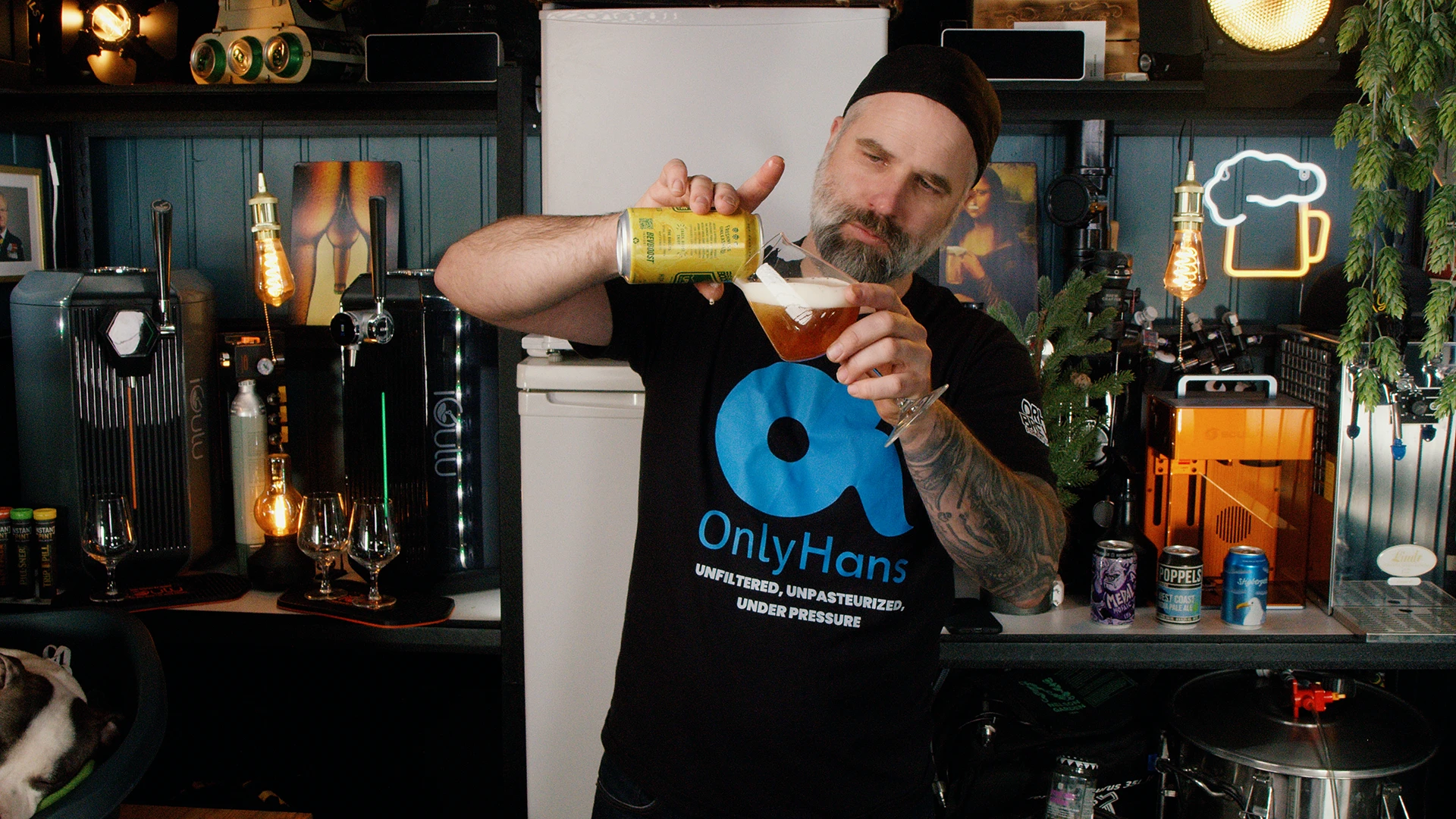
When the can is opened and poured, there’s an immediate reaction. A big, creamy head forms quickly, and the aroma jumps out of the glass. On a purely sensory level, it feels like something is happening.
And yes—there’s hop aroma. No question about it.
But here’s where things get interesting.
The aroma doesn’t scream fresh IPA. Instead, it leans toward something sharper, brighter… almost lemonade-like. Not unpleasant, but different. Less “juicy hops,” more “hop extract making an entrance.”
That distinction matters.
Because great IPA aroma usually feels integrated. It flows from malt, yeast, fermentation, and hops working together. Here, the hops feel added rather than grown into the beer.
The Flavor Test: Where Things Start to Unravel
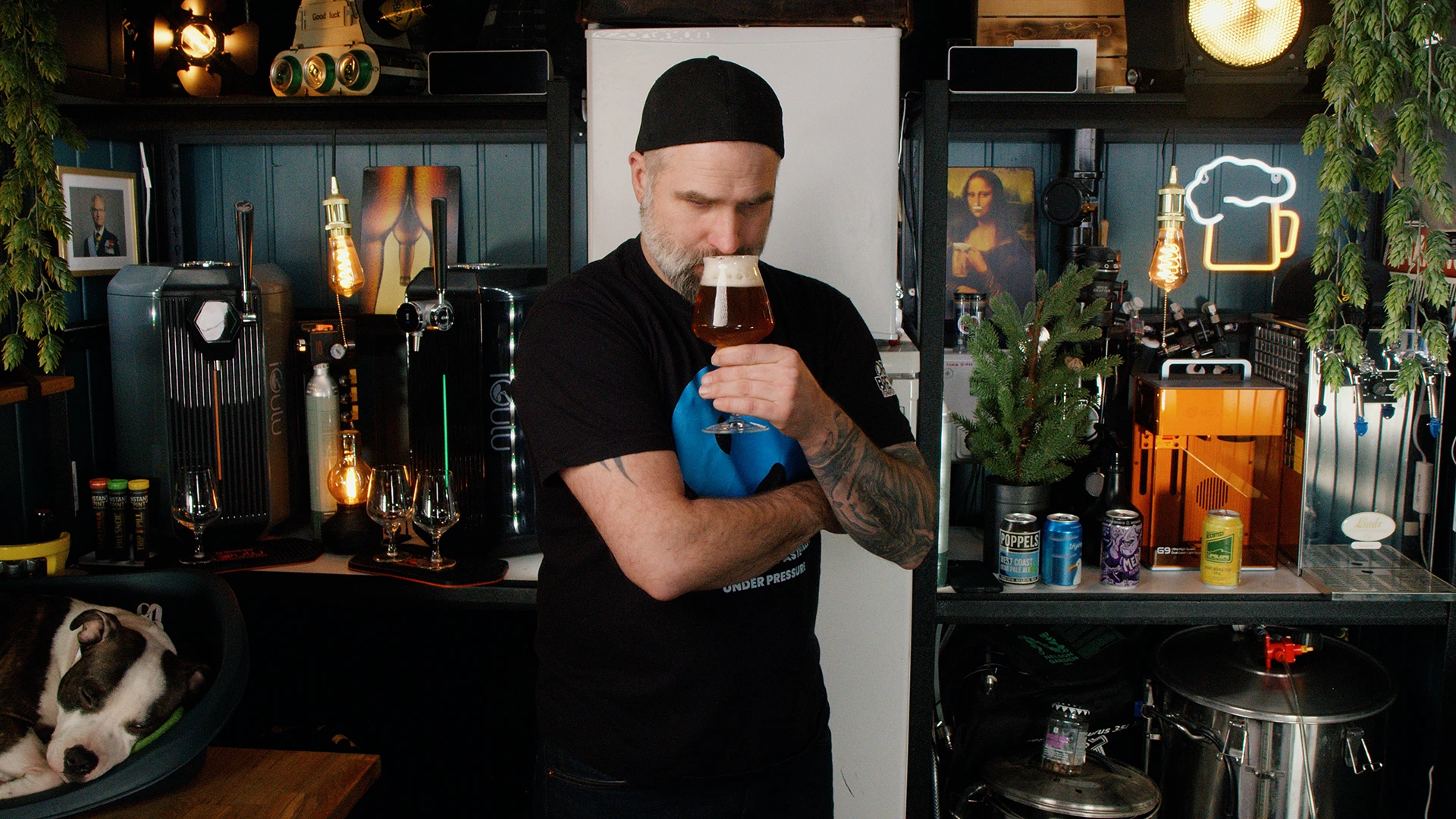
On the palate, the beer is clean. Well fermented. No obvious off-flavors. From a technical standpoint, it’s solid beer.
But there’s an odd bitterness that doesn’t quite belong.
Instead of the layered bitterness you expect from traditional hopping, there’s something sharper and slightly artificial about it—almost soapy or perfumey. That’s often the risk with hop extracts: when they’re not perfectly integrated, they can feel more like an additive than an ingredient.
It doesn’t taste bad.
It just doesn’t taste better.
And that’s the real problem.
The Comparison Problem (and Why It Matters)
One of the challenges with evaluating hop pod beers is comparison. You can’t easily compare the same beer with and without the pod—it was never meant to exist without it.
So the real question becomes:
Does this beat a traditionally brewed IPA of similar style and freshness?
Compared to American IPAs that have traveled similar distances, BevBoost does bring aroma intensity. But when compared to fresh, well-made IPAs—especially locally brewed ones—the advantage disappears quickly.
Those beers don’t taste artificial.
They don’t need a pod to express hop character.
They rely on solid brewing practices.
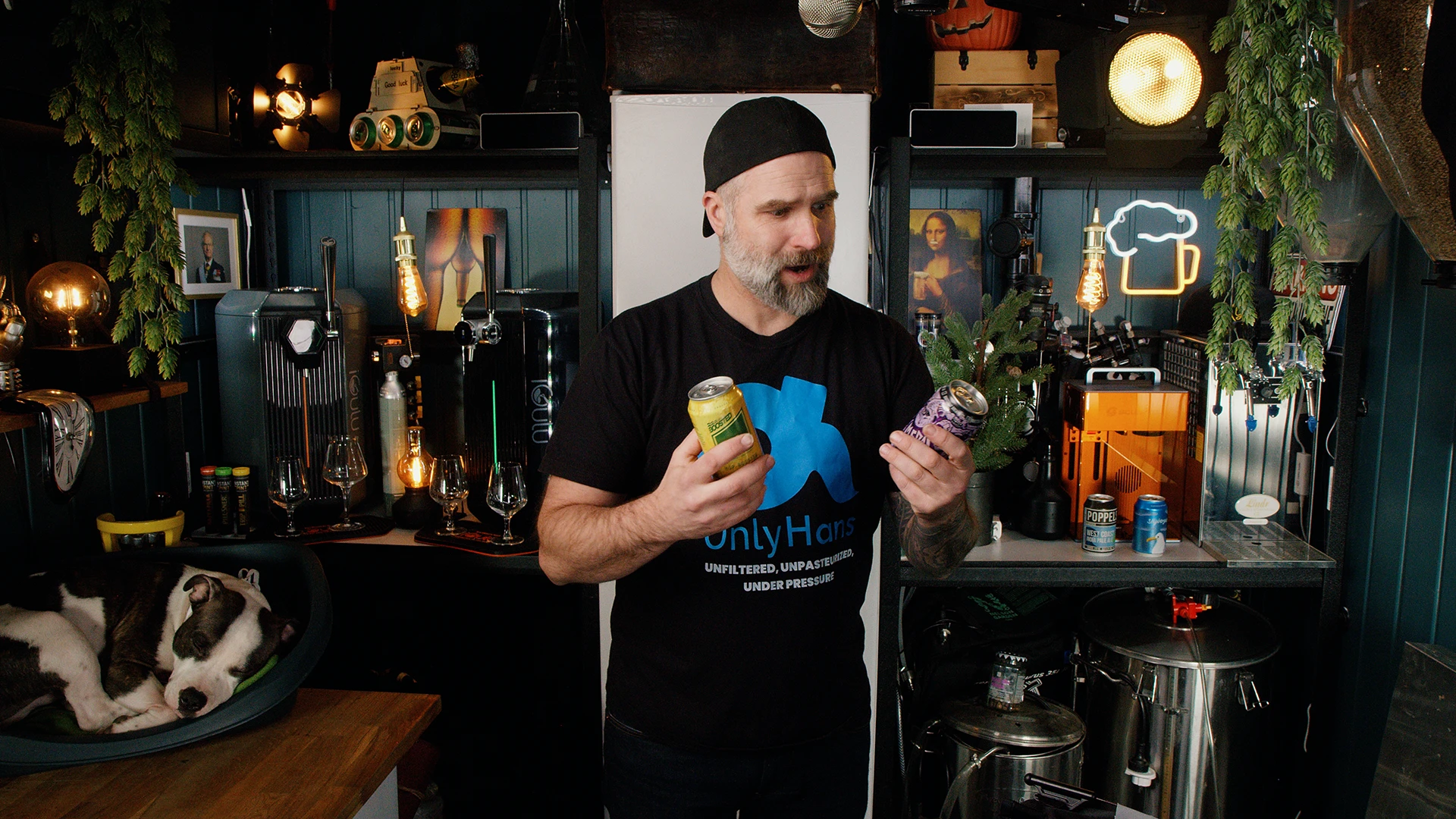
So… Genius or Shenanigans?
Here’s the honest verdict.
Hop pods like BevBoost are clever. They address a real problem. They’re technically sound. And they absolutely deliver aroma on demand.
But beer isn’t just about aroma delivery.
IPA flavor comes from process, not just ingredients. Dry hopping timing, fermentation interaction, yeast choice, and balance all matter. Dropping hop extract into finished beer can’t fully replicate that complexity.
For me, the result feels like a shortcut—and shortcuts in brewing tend to show themselves in the glass.
I was hoping this would be the next big thing.
Instead, I’ll keep dry hopping my beers the old-fashioned way.
Final Takeaway
Hop pods aren’t useless.
They’re not snake oil.
And they might even improve certain beers in certain situations.
But are they the future of IPA?
Not yet.
For now, they land firmly in the “interesting idea, questionable payoff” category.
And that’s okay.
Because brewing is about experimentation—and sometimes the most valuable result is learning what not to change.
I do these experiments so you don’t have to.
DrHans Out! 🍺
🍻 Want to support more experiments like this?
You can also check out my Patreon, where you help make these deep dives possible — and get some extra behind-the-scenes brewing goodness along the way.
Social Media and Contact Information:
Instagram: @drhansbrewery
Facebook: @drhansbrewery
Webpage: https://drhansbrewery.com
Contact Email: drhansbrewery@gmail.com
Support and Merchandise Links:
🔥 Get 20% Off iGulu Gear (Code: DRHAN20) 👉 https://igulu.com/?sca_ref=6679834.Gm6UfWKv2R
- 📚 Learn the art of homebrewing alongside me: https://solo.to/drhansbrewery
- 🛒 Check out the gear that elevates my brewing and video game on Amazon: http://bit.ly/drhanssf
- 📘 Grab your FREE brewing ebook on my website: http://bit.ly/DrHans
- 💰 Loved the blog? Buy me a virtual beer! https://bit.ly/ByMEaBEER 🍻 Cheers!
- Support my content on Patreon from just $2/month: https://bit.ly/2V5Zsgz
- 💼 Become a channel member for access to exclusive content: https://bit.ly/3fVQav7
- 🙏 Donate to DrHans via PayPal: https://bit.ly/DonateDrHans
- 👕 Check out my exclusive merch! Unique items await at my shop: https://bit.ly/DrHans-Merch

Recent Comments