
How to Backsweeten Hard Cider Safely (No Bottle Bombs)
How to Backsweeten Hard Cider Safely (Without Making Bottle Bombs)
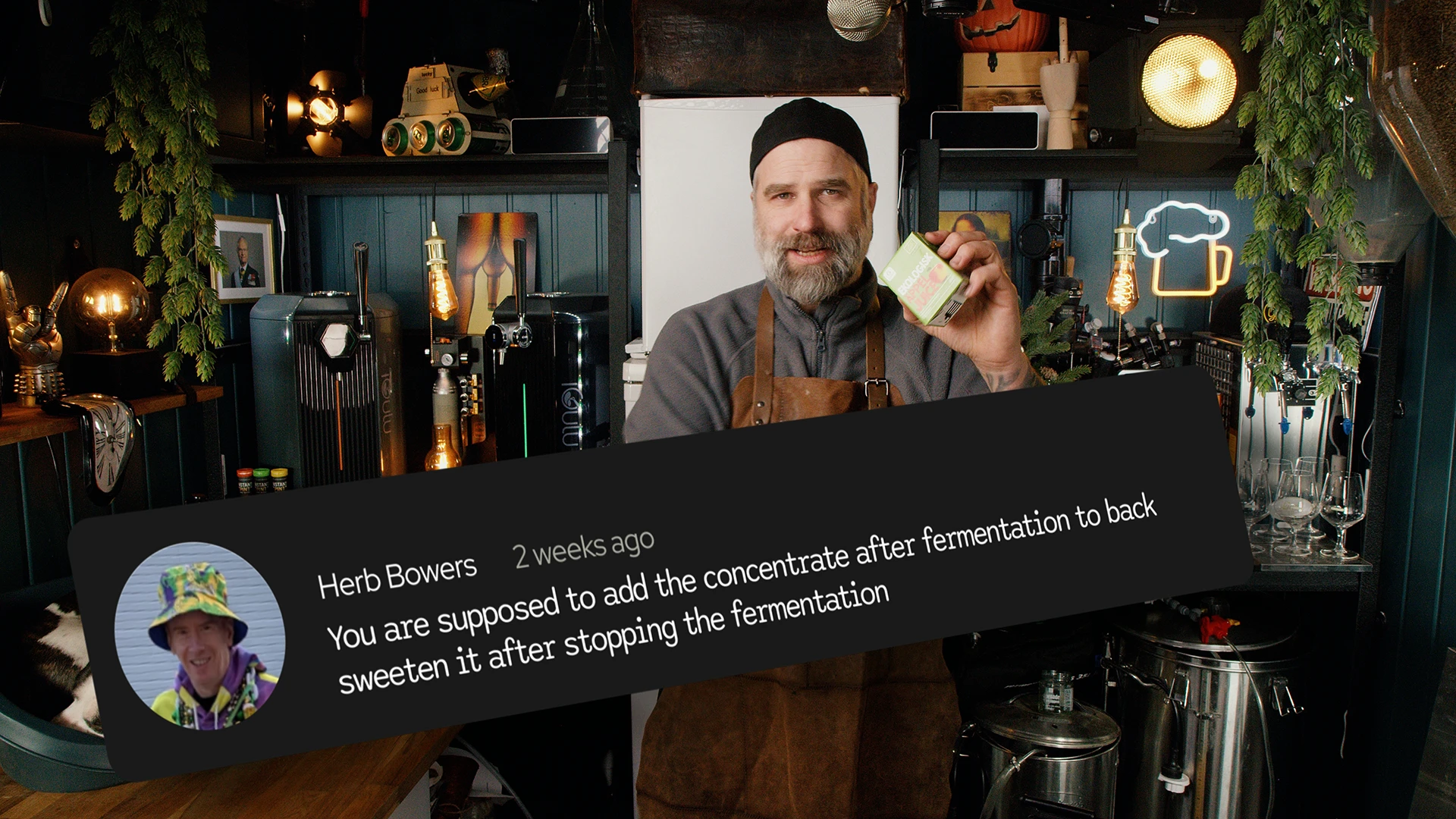
So… apparently I was “using apple juice concentrate wrong.”
That was the comment.
And technically?
No. I wasn’t.
But I did make a mistake — and that mistake turned into a 7.5% hard cider instead of the friendly 5.5% I was aiming for.
And that, my friends, is exactly why we’re talking about backsweetening hard cider today.
Because apple juice concentrate can do a lot of things:
-
Boost ABV
-
Enhance apple aroma
-
Help with carbonation
-
Or backsweeten
But if you don’t understand what your yeast is doing… those hungry little critters will happily chew through everything you give them.
And I do these experiments so you don’t have to.
Let’s kick it.
Watch the Full Experiment
This blog post is based on the full video here:
https://youtu.be/smaS0p6lQLU
In the video, I compare 0 g/L, 10 g/L, and 20 g/L backsweetening levels, test different yeasts, and explain the safest way to do this as a homebrewer.
The 7.5% “Oops” – What Happened?
Earlier this year, I brewed a simple hard cider using fresh-pressed apple juice, fermented with Angel Yeast A01 American Ale Yeast.
-
Original Gravity (OG): 1.044
-
Final Gravity (FG): 1.010
-
ABV: ~4.5%
Nice. Session hard cider. Easy drinking.
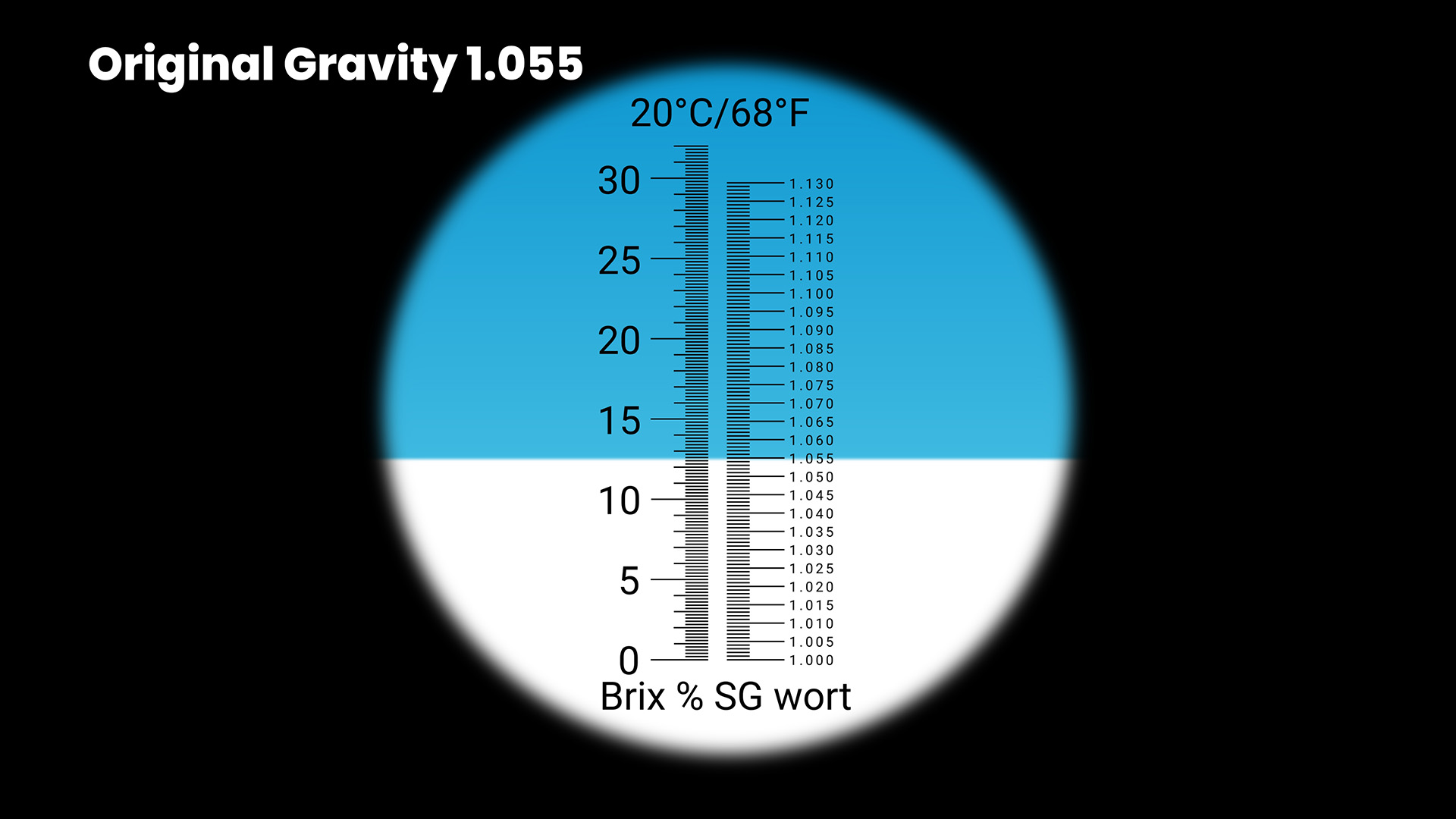
This time, I wanted to bump up the alcohol naturally using apple juice concentrate instead of table sugar.
I added 200 mL (6.8 fl oz) of concentrate to reach:
-
New OG: 1.055
-
Batch volume: 3.7 L (0.98 gal)
What slipped my mind?
I wasn’t using a regular ale yeast….
I fermented with:
-
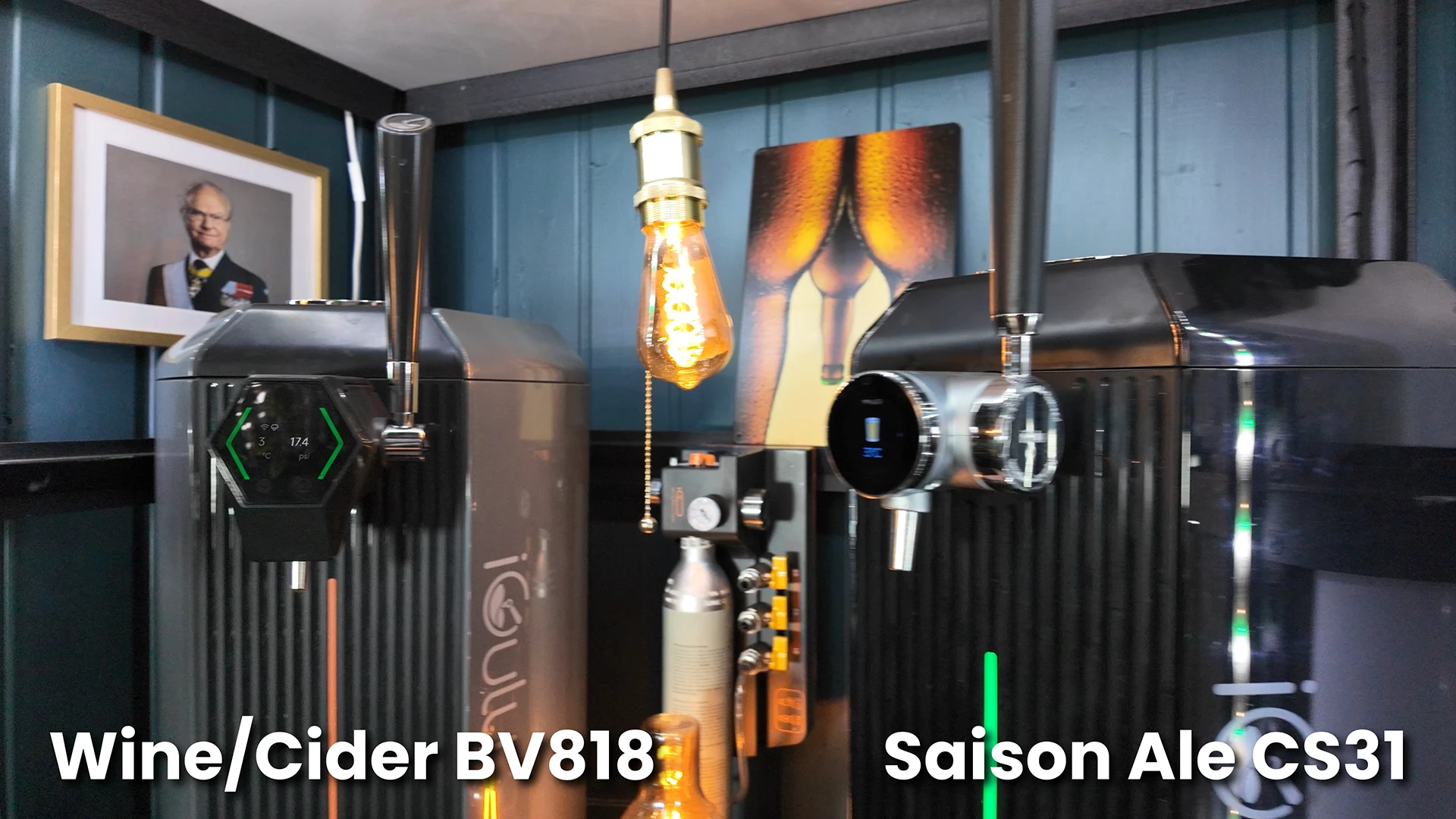
Angel Yeast BV818 (cider/wine yeast)
-
Angel Yeast CS31 (Saison yeast)
Both fermented down to:
-
0.998 (BV818)
-
0.999 (CS31)
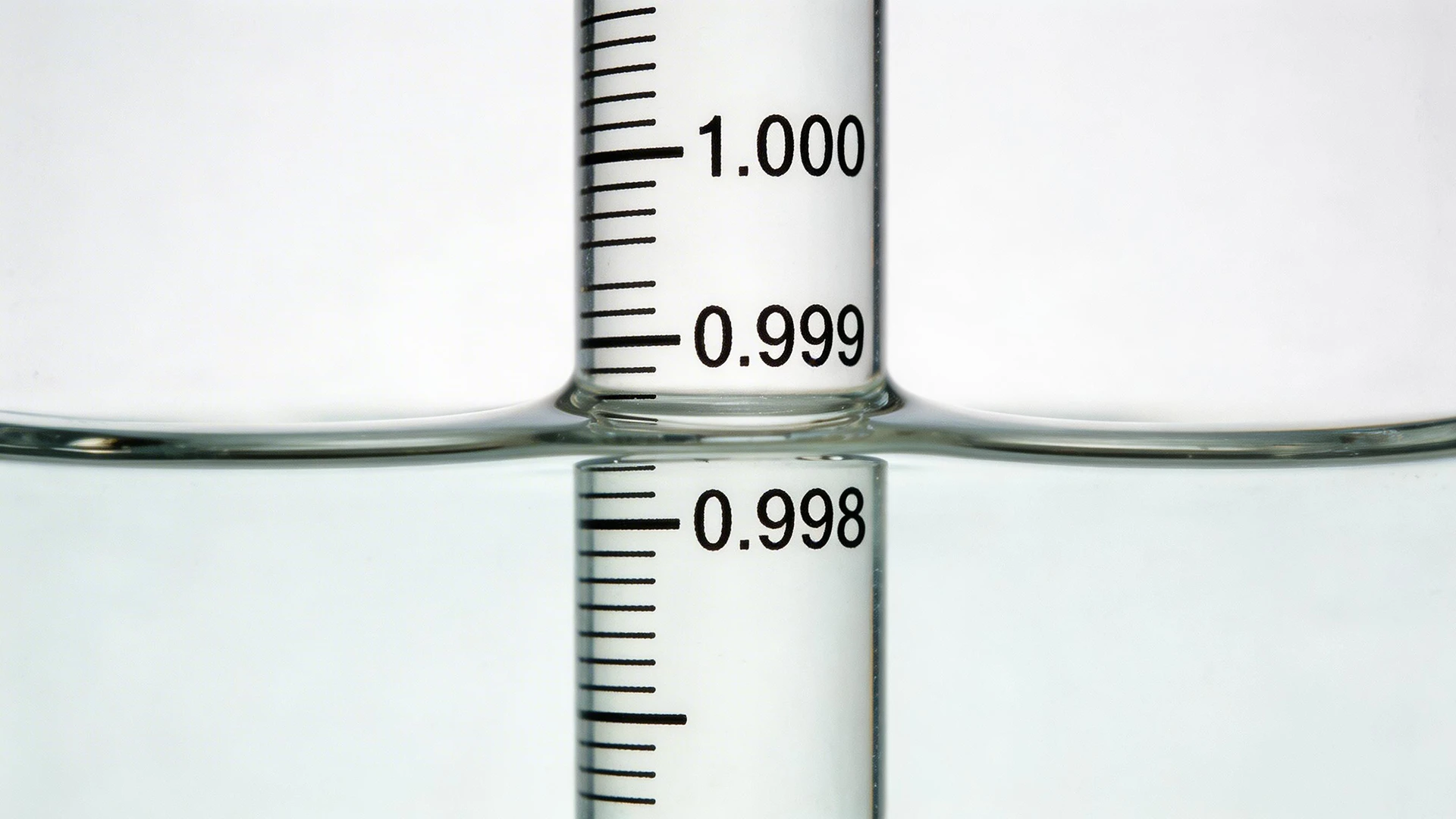
That gave me:
7.5% ABV
Not what I planned — but I ended up with two absolutely beautiful hard ciders. And that’s what’s amazing about homebrewing. You can mess up, end up with something awesome, and learn a new lesson in the process.
Lesson learned:
Yeast attenuation matters.
Sponsor Acknowledgement
The video this blog is based on was kindly sponsored by Angel Yeast, whose brewing strains I’ve been testing in these hard cider experiments.
You can check out their brewing products here:
https://bit.ly/Brewing-AngelYeast
In this batch, I used:
-
BV818 cider/wine yeast
-
CS31 Saison yeast
-
BrewNutri-Z yeast nutrient
The Saison yeast absolutely blew my mind in terms of complexity.
But we’ll get to that.
Why Backsweeten Hard Cider at All?
Because fully fermented hard cider is dry.
Very dry.
At FG 0.998–1.000, you’re in apple wine territory.
Nothing wrong with that.
But sometimes you want:
-
More apple character
-
Softer acidity
-
More balance
-
More drinkability
Backsweetening can bring that balance back.
The real question is:
How much?
The Backsweetening Experiment (0 / 10 / 20 g/L)
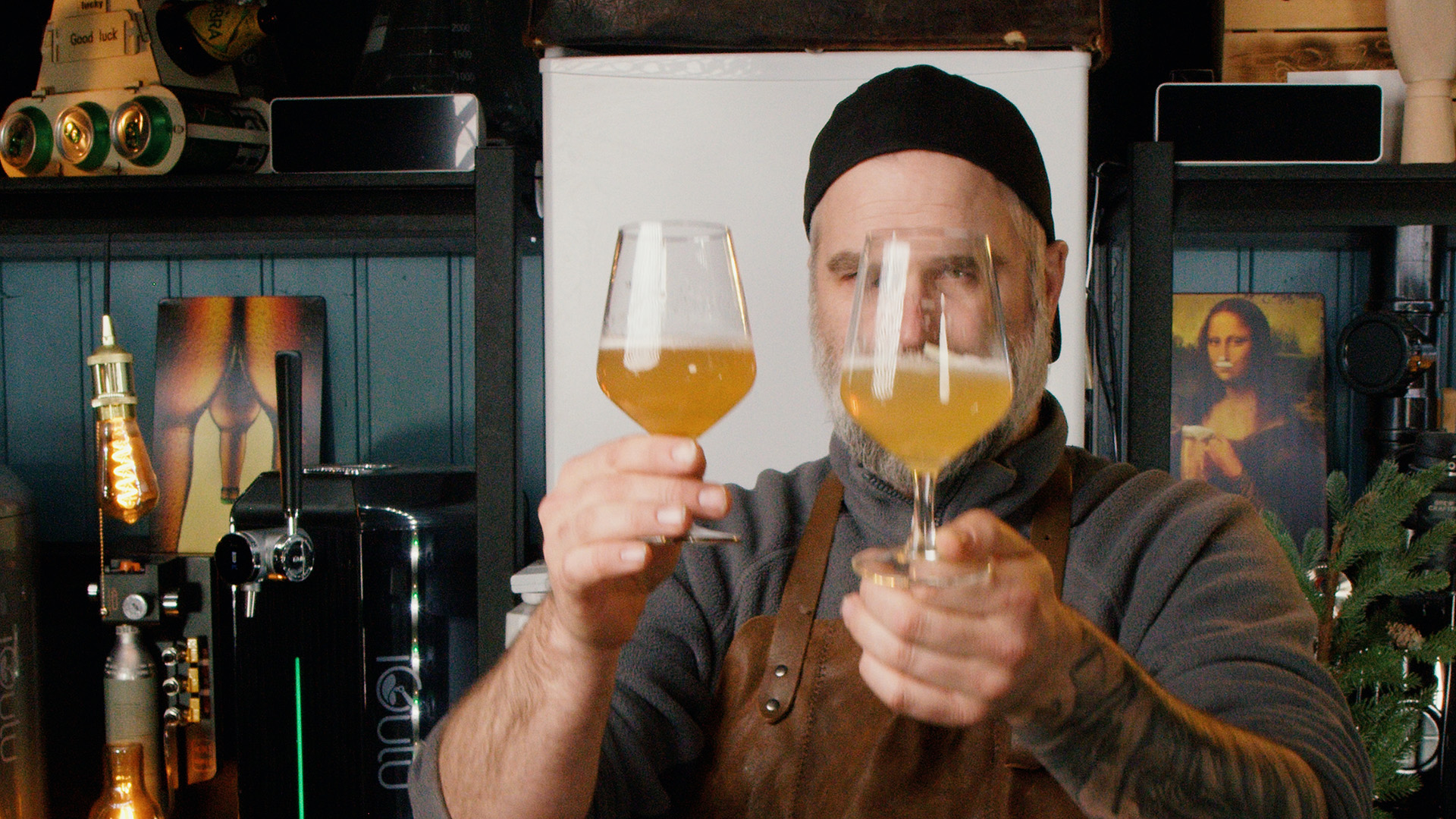
To keep this extra nerdy (as we should), I poured three glasses.
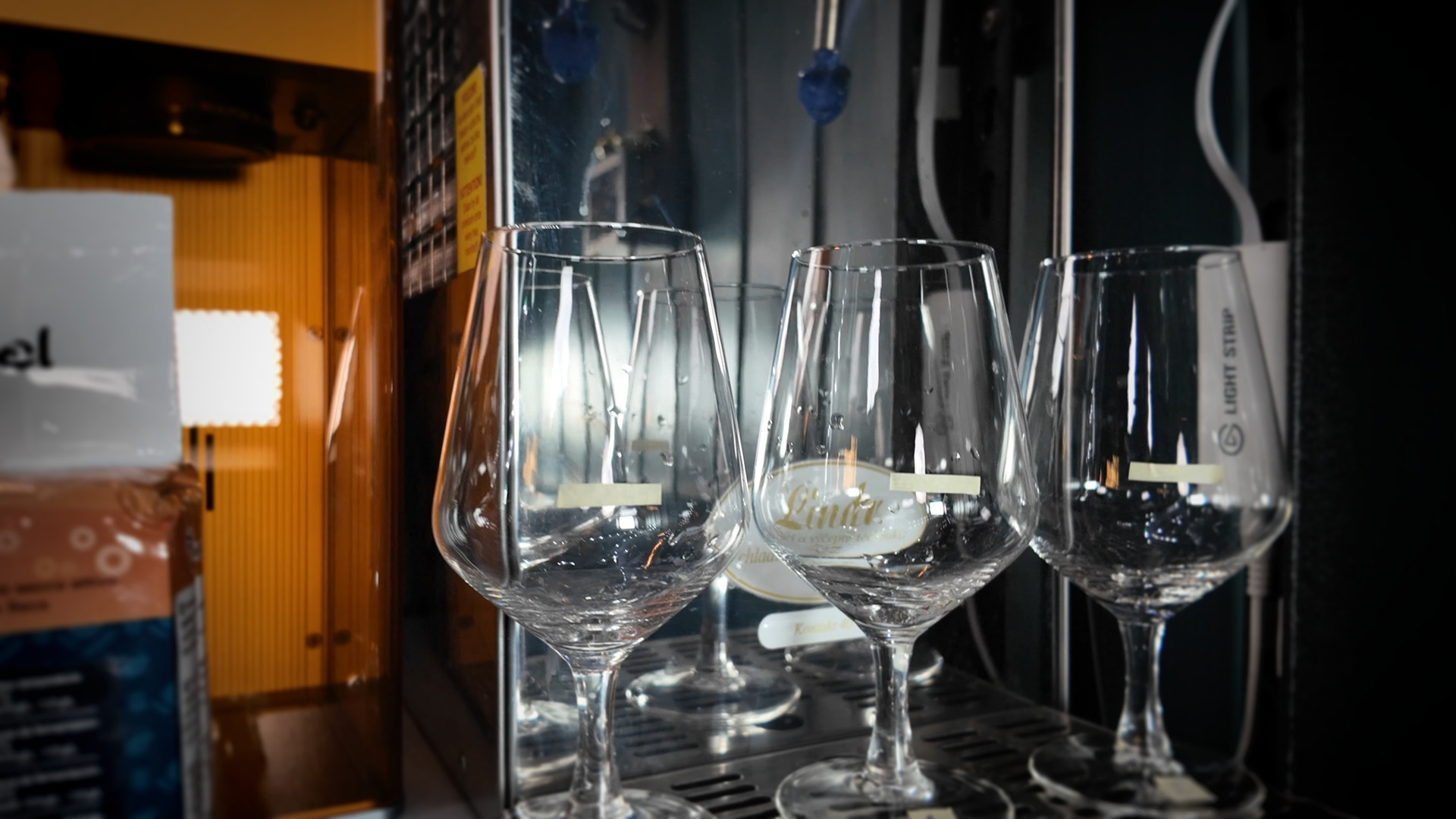
Each glass contained:
150 mL (5.1 fl oz) of hard cider.
I tested sugar equivalents of:
-
0 g/L (0 oz/gal)
-
10 g/L (1.3 oz/gal)
-
20 g/L (2.7 oz/gal)
Using a syringe for precision dosing.
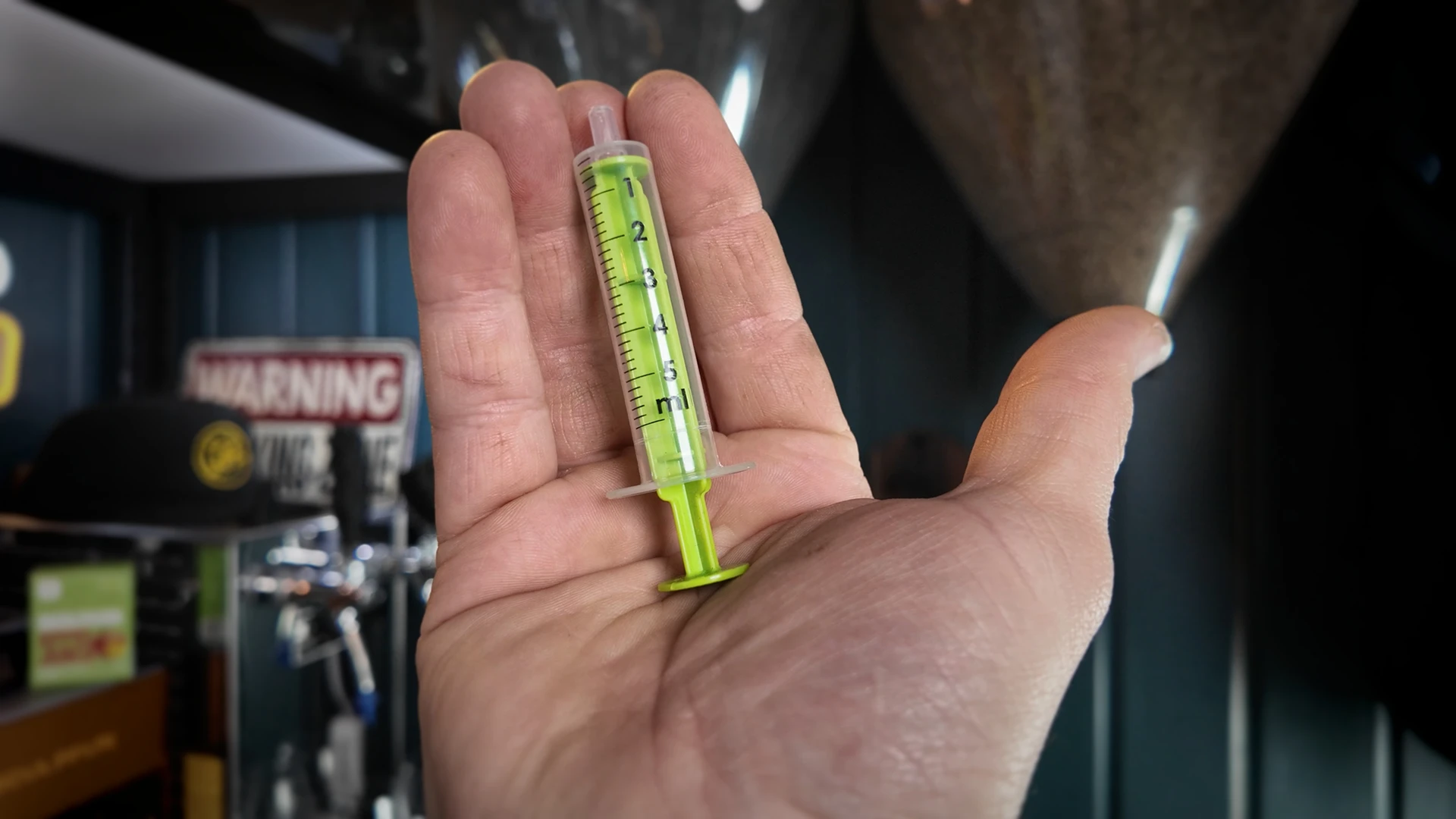
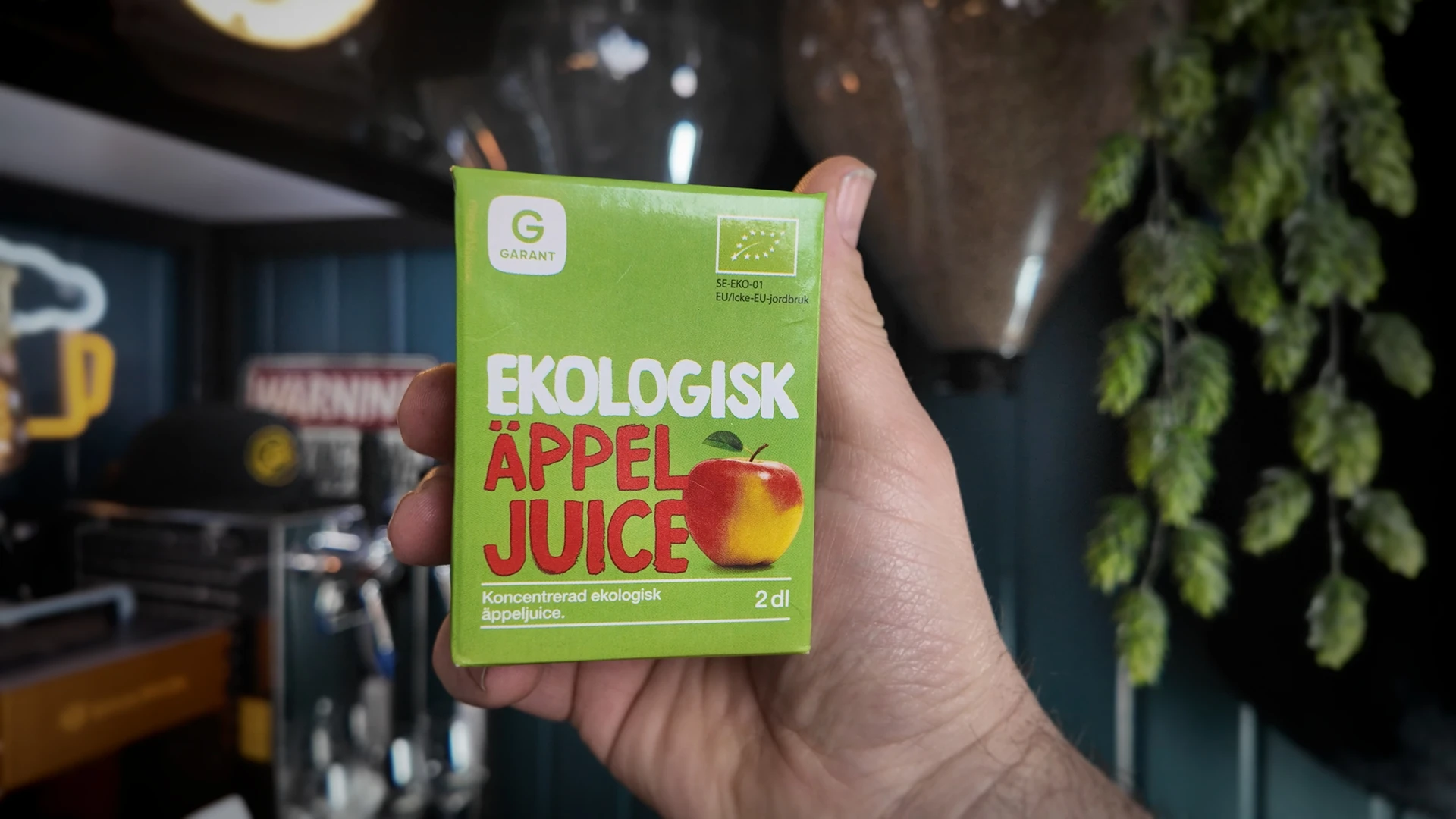
For my specific concentrate:
-
3 mL in 150 mL ≈ 10 g/L
-
6 mL in 150 mL ≈ 20 g/L
Always check your label — sugar content varies between brands.
Results
0 g/L – Dry
-
Crisp
-
Apple wine vibes
-
Very clean
-
Sharp acidity
Nice — but intense.
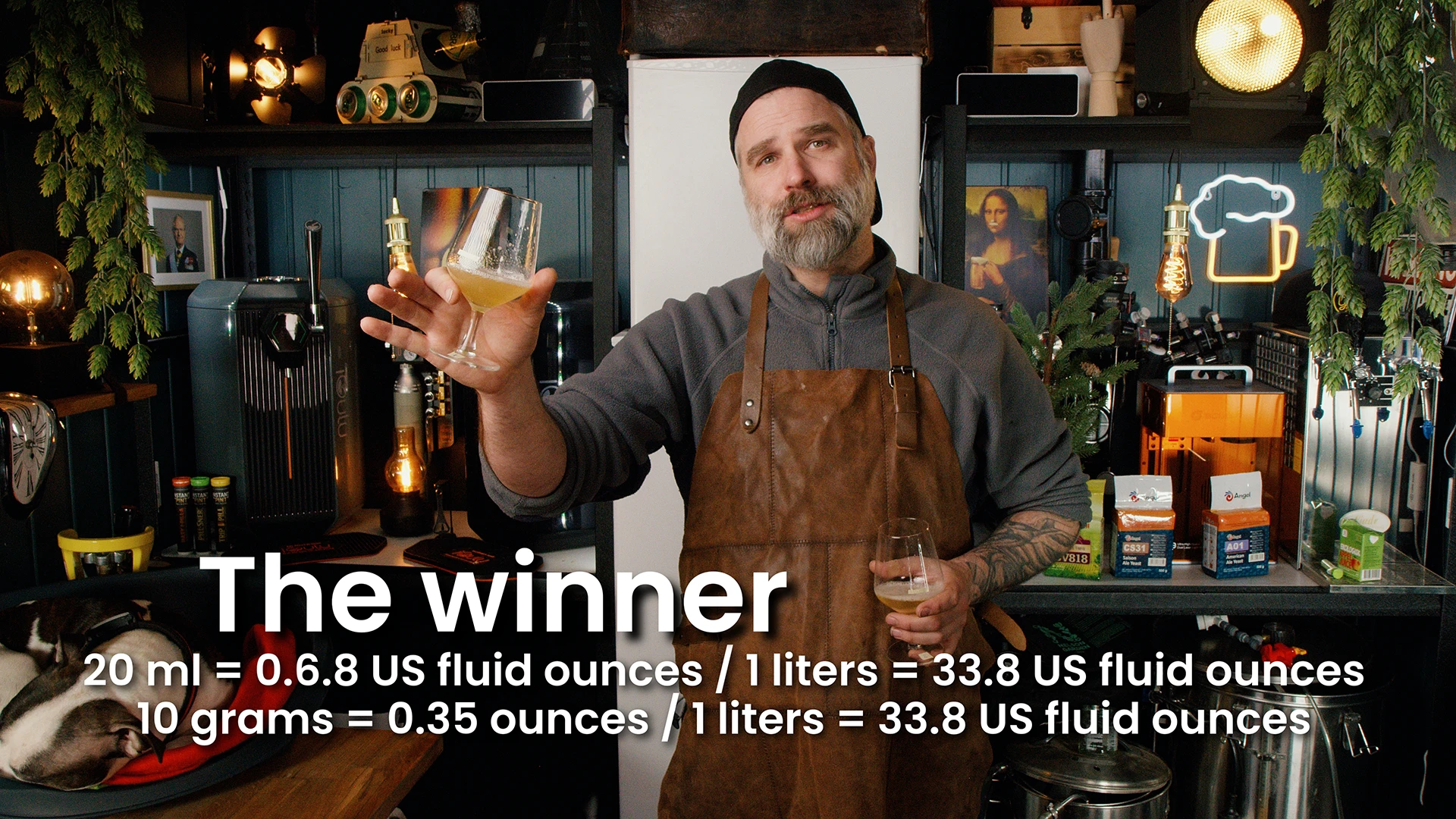
10 g/L (1.3 oz/gal) – The Winner
-
More apple aroma
-
Better balance
-
Softer acidity
-
Still refreshing
This one was magic.
It didn’t turn into apple juice.
It became balanced hard cider.
20 g/L (2.7 oz/gal)
Too much.
Unless you have a serious sweet tooth.
It’s giving apple juice — as the kids say.
The Safest Way to Backsweeten (Homebrewer Method)
Here’s the truth:
You don’t actually need to stabilize your whole batch.
You can:
-
Brew it dry.
-
Add apple juice concentrate directly in the glass.
-
Drink it the same evening.
-
Keep it cold.
Simple. Flexible. Safe.
No stabilizers.
No pasteurization.
No filtration.
You control sweetness per serving.
Honestly? For most homebrewers, this is the best solution.
If You Want to Do It Like the Pros
Then you must stop the yeast.
Because if you add fermentable sugar to an active yeast population:
You will get fermentation.
And potentially bottle bombs.
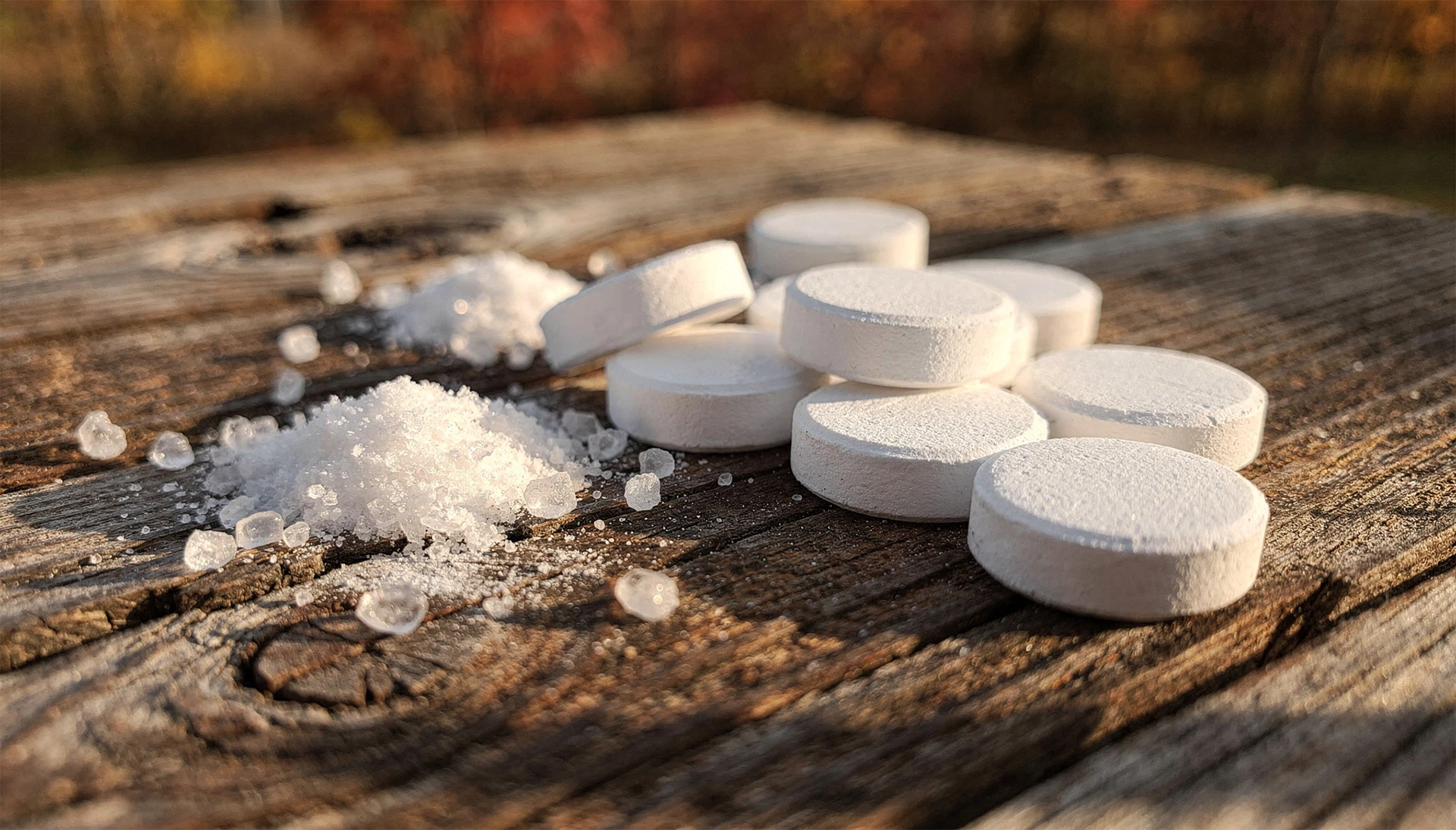
Option 1: Potassium Metabisulfite + Potassium Sorbate
Also known as Campden + Sorbate.
General guideline:
-
1–2 g per liter each
-
(0.13–0.27 oz per gallon each)
Important:
Fermentation must be fully complete.
Wait at least 24 hours after stable final gravity before dosing.
Metabisulfite protects against oxidation and weakens yeast.
Sorbate prevents yeast reproduction.
Together, they stabilize your hard cider.
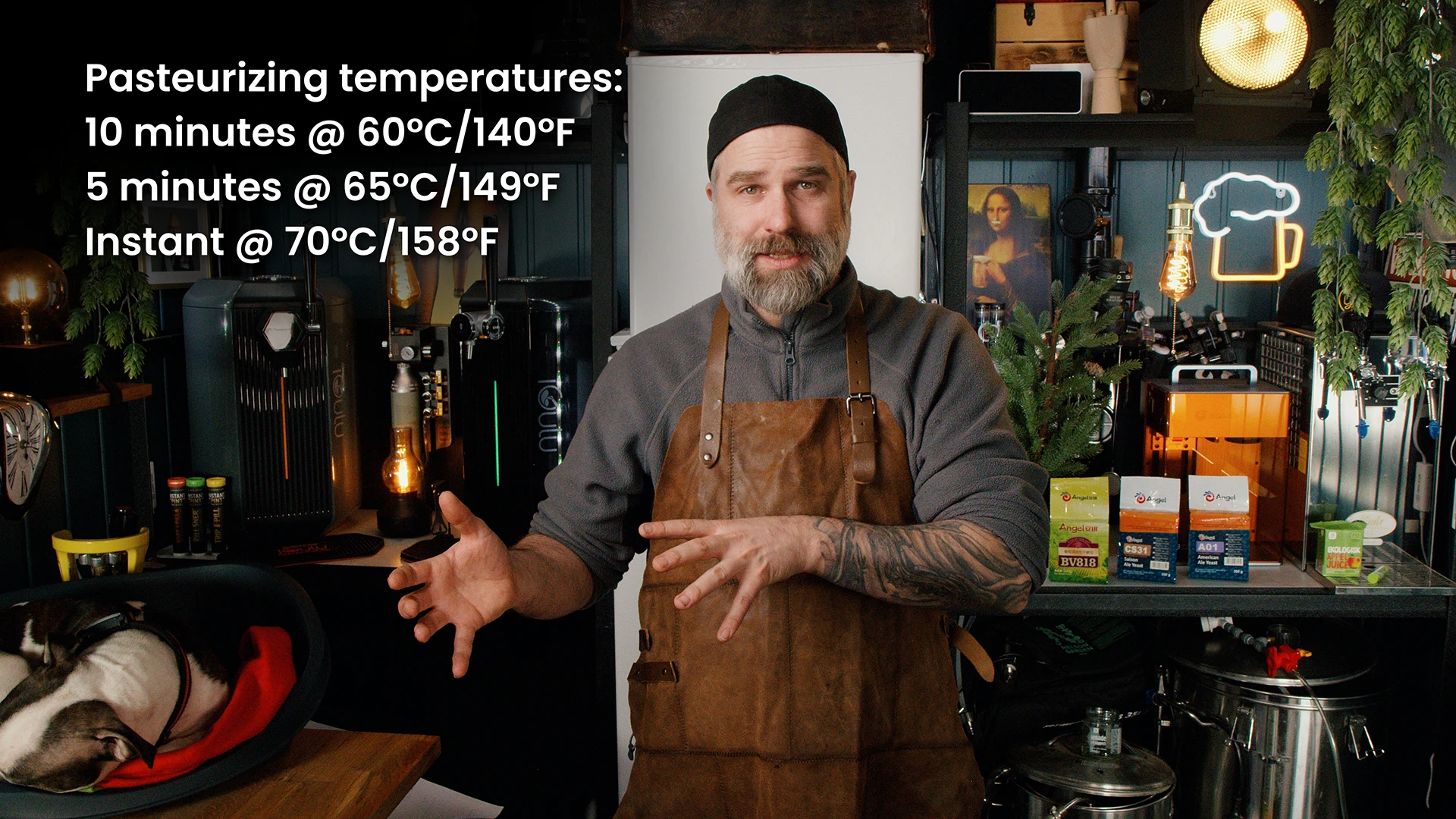
Option 2: Pasteurization
Heat to:
-
60°C (140°F) for 10 minutes
-
65°C (149°F) for 5 minutes
-
Above 70°C (158°F) = nearly instant kill
Be cautious:
Too much heat can alter flavor.
Bottle pasteurization is possible (PET bottles are safer than glass), but risky if done incorrectly.
Option 3: Filtration
Requires very fine filtration — around 1 micron.
Not practical for most homebrewers.
Professionals do this.
We usually don’t.
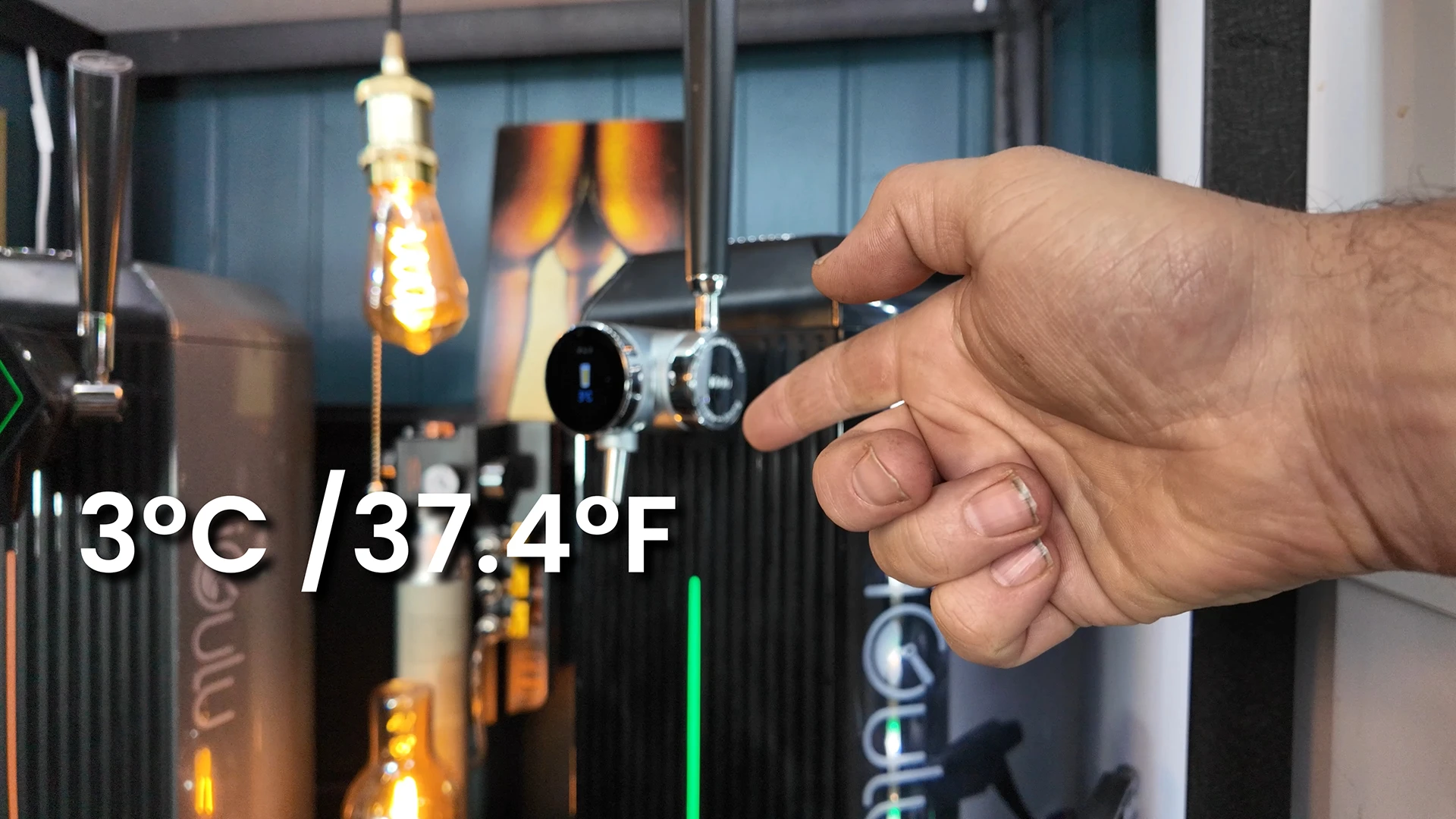
Cold Storage
I keep my hard cider at:
3°C (37°F)
Yeast strains like BV818 and CS31 typically operate between:
10–30°C (50–86°F)
At 3°C (37°F), fermentation won’t restart easily.
But:
Cold alone is not safe for bottled hard cider stored at room temperature.
Be careful.
Final Battle: Cider Yeast vs Saison Yeast
After backsweetening the BV818 hard cider at 10 g/L, I compared it again to the Saison version.
The Saison:
-
More fruit complexity
-
Slight perceived sweetness
-
More layers
But the backsweetened BV818?
Balanced.
Bright.
Apple-forward.
Pure magic.
On that day, it won.
Other Related Hard Cider Experiments
If you want to dive deeper:
Cider Yeast vs Saison Yeast – Which Makes the Best Cider?
https://youtu.be/GJrBJR89H0o
I Fermented Hard Cider with Saison Yeast… Here’s What Happened
https://youtu.be/dKZfXCnBHAo
I’ve Never Used Cider Yeast… Until Now (BV818)
https://youtu.be/3XFeUAWuEzQ
Brewing Cider with Ale Yeast: Angel A01 Pressure Ferment Test
https://youtu.be/llrxNlZV42w
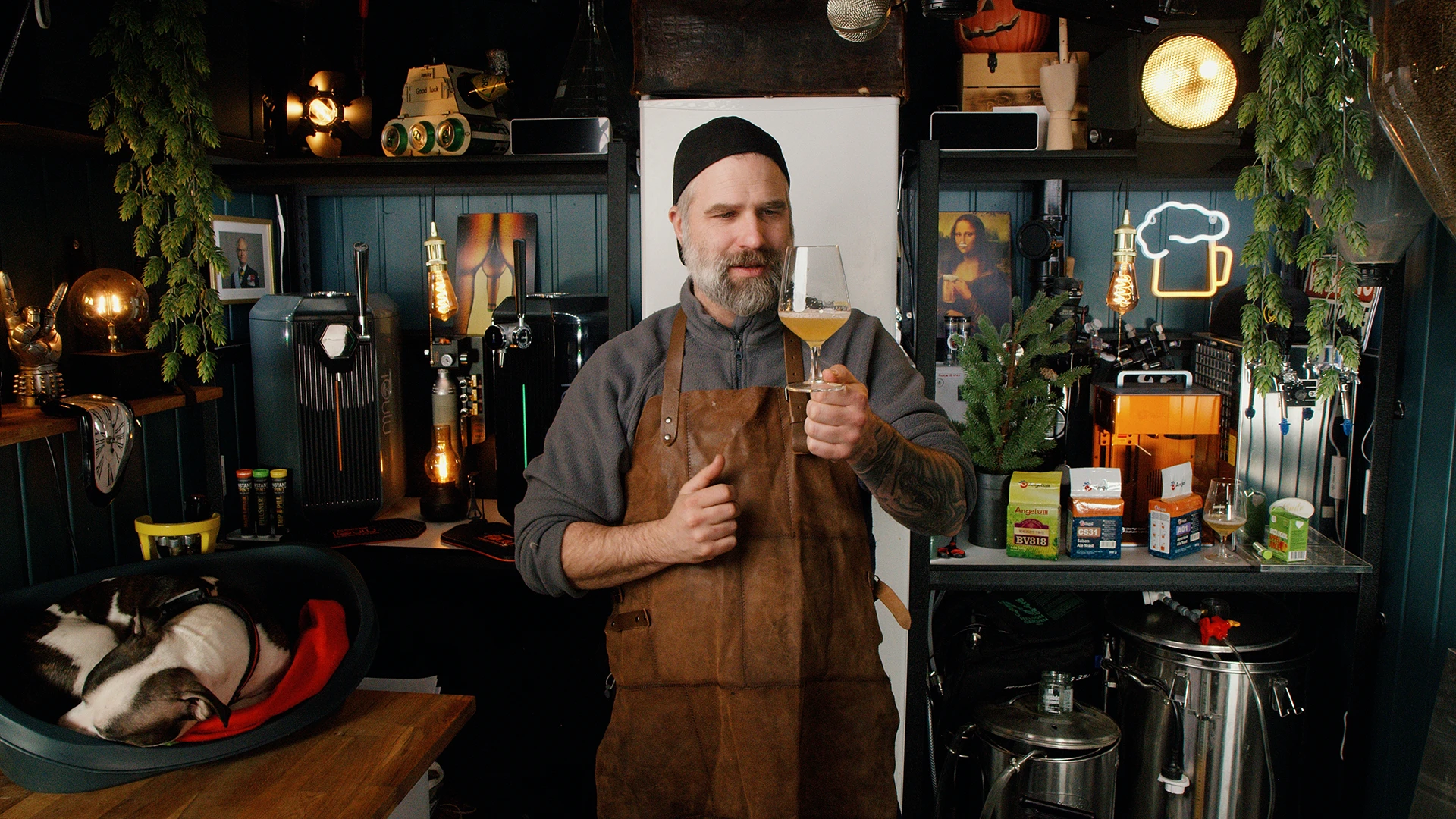
Final Verdict
Backsweetening isn’t wrong.
Using apple juice concentrate isn’t wrong.
But you must understand:
Yeast will eat sugar.
Always.
Brew it dry.
Control your sweetness.
Respect your yeast.
Avoid bottle bombs.
If you enjoy deep-dive experiments like this and want early tastings, behind-the-scenes content, or a way to support the channel, you can check out OnlyHans (aka Patreon) here:
👉 https://patreon.com/DrHansBrewCrew
DrHans out. 🍎🍺
Social Media and Contact Information:
Instagram: @drhansbrewery
Facebook: @drhansbrewery
Webpage: https://drhansbrewery.com
Contact Email: drhansbrewery@gmail.com
Support and Merchandise Links:
🔥 Get 20% Off iGulu Gear (Code: DRHAN20) 👉 https://igulu.com/?sca_ref=6679834.Gm6UfWKv2R
- 📚 Learn the art of homebrewing alongside me: https://solo.to/drhansbrewery
- 🛒 Check out the gear that elevates my brewing and video game on Amazon: http://bit.ly/drhanssf
- 📘 Grab your FREE brewing ebook on my website: http://bit.ly/DrHans
- 💰 Loved the blog? Buy me a virtual beer! https://bit.ly/ByMEaBEER 🍻 Cheers!
- Support my content on Patreon from just $2/month: https://bit.ly/2V5Zsgz
- 💼 Become a channel member for access to exclusive content: https://bit.ly/3fVQav7
- 🙏 Donate to DrHans via PayPal: https://bit.ly/DonateDrHans
- 👕 Check out my exclusive merch! Unique items await at my shop: https://bit.ly/DrHans-Merch

Recent Comments